
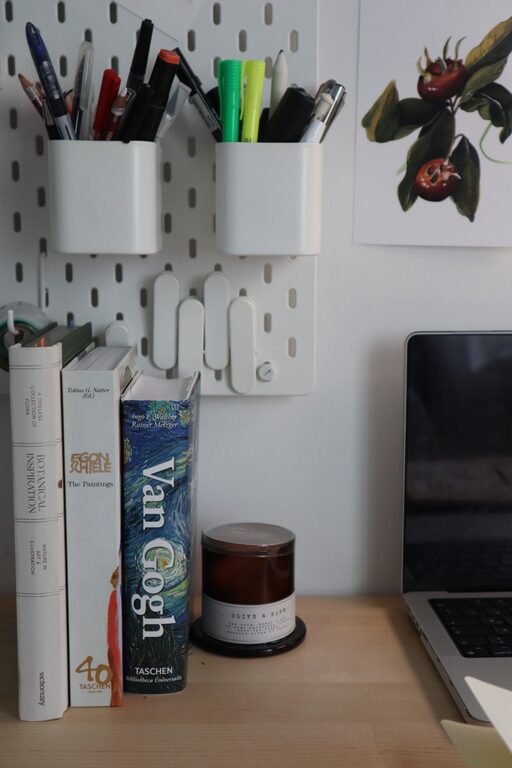
Paper clutter is a common issue in many households. From bills and receipts to school papers and junk mail, managing all these documents can quickly become overwhelming. Reducing paper clutter not only creates a tidier living space but also helps you stay organized and stress-free. In this post, we’ll explore simple and practical ways to cut down on paper accumulation and keep your home neat.
Why Reducing Paper Clutter Matters
Before diving into strategies, it’s helpful to understand why minimizing paper clutter is beneficial:
– Easier to Find Important Documents: When papers are organized and minimal, locating what you need becomes quicker.
– Less Stress: A clutter-free environment promotes a calm mind.
– More Space: Clearing out unnecessary papers frees up desks, countertops, and drawers.
– Environmentally Friendly: Reducing paper waste helps conserve resources.
Common Sources of Household Paper Clutter
Understanding where paper clutter comes from is the first step in managing it. Typical sources include:
– Mail and junk mail
– Bills and statements
– School and work papers
– Receipts and warranties
– Manuals and instructions
– Magazines and brochures
Simple Strategies to Reduce Paper Clutter
1. Go Digital Whenever Possible
Many documents and communications are available in digital form. Switching to paperless options can drastically reduce incoming paper.
– Sign up for e-billing and online bank statements.
– Opt for digital receipts when shopping.
– Use apps or email for school and work updates.
– Store important documents securely in cloud storage or on a computer.
2. Create a Paper Management System
Even with digital efforts, some paper remains. Having a system to handle it helps prevent piles from building up.
– Designate a single spot for incoming paper like a basket or tray.
– Sort papers immediately into categories: bills, important documents, to-do, recycle.
– Set up labeled folders or filing boxes for each category.
– Schedule a weekly time to review and file papers.
3. Reduce Incoming Paper
Minimizing paper before it enters your home saves time later.
– Register on “Do Not Mail” lists to reduce junk mail.
– Contact companies to stop unnecessary catalogs and flyers.
– Use subscription services selectively and consider digital subscriptions for magazines and newspapers.
4. Scan and Shred
Digitizing certain documents can save space and reduce clutter.
– Use a scanner or scanning app to create digital copies of important papers.
– Store the digital files in organized folders on your computer or cloud.
– Shred or recycle the physical copies unless legally necessary to keep.
5. Manage Kids’ Papers
School papers and artwork can accumulate quickly.
– Set limits on what to keep and what to recycle or photograph and discard.
– Create a display area for recent artwork or projects, rotating regularly.
– Store sentimental items in a dedicated box or folder.
6. Control Receipt Clutter
Receipts often pile up unnoticed.
– Review receipts regularly and discard those no longer needed.
– Use apps to photograph and store receipts digitally for warranties or returns.
– Keep only receipts required for taxes or important records.
Tips for Maintaining a Paper-Clutter-Free Home
– Check your paper management system every week.
– Encourage family members to follow the system as well.
– Keep recycling and shredding bins easily accessible.
– Avoid printing unless absolutely necessary.
– Consider periodic decluttering sessions focused solely on paper.
Conclusion
Reducing household paper clutter doesn’t have to be overwhelming. By adopting simple habits like going digital, setting up an easy filing system, and regularly reviewing papers, you can keep your home organized and stress-free. Start with small changes today, and enjoy the benefits of a clutter-free space.