
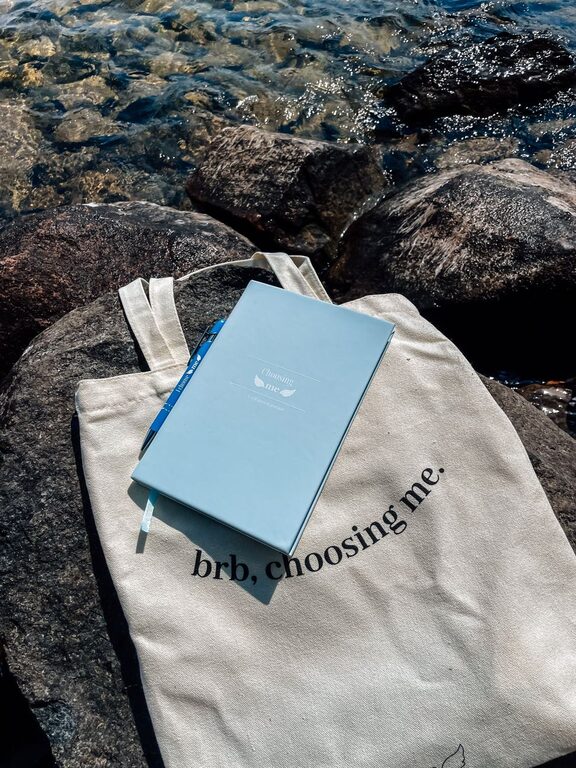
Choosing a notebook might seem like a simple task, but picking one that you’ll actually use regularly requires a bit of thought. Whether you want to jot down ideas, organize your day, or keep a journal, the right notebook can make a difference in staying motivated and productive. In this guide, we’ll walk you through practical tips on how to choose a notebook that suits your lifestyle and encourages consistent use.
Understand Your Purpose
Before you select a notebook, think about how you intend to use it. Different purposes require different notebook features.
Common Notebook Uses
– Note-taking: For students or meetings, a notebook with clear lines or grids might be best.
– Journaling or personal writing: You might prefer unlined or dotted pages for freedom of expression.
– Planning and to-do lists: Look for notebooks with sections, dates, or a planner format.
– Creative sketching or mixed media: Consider a notebook with thicker, high-quality paper.
Understanding your primary use will help you narrow down your options considerably.
Consider the Size
Notebooks come in various sizes. Think about your typical use case and portability needs.
– Pocket-sized (around 3” x 5” or A6): Great for quick notes on the go, but limited writing space.
– Medium size (5” x 8” or A5): Popular for journaling and daily use—portable yet spacious.
– Large (8.5” x 11” or A4): Ideal for detailed notes, sketches, or planners but less portable.
Choose a size that you’ll carry regularly without feeling bulky or cumbersome.
Choose the Right Paper
The paper’s quality and design affect the writing experience and durability.
Paper Weight and Texture
– Weight: Measured in grams per square meter (gsm), typical notebooks have between 70 to 120 gsm.
– Lighter paper (70-80 gsm) is thinner and may let ink bleed through.
– Heavier paper (90-120 gsm) is thicker, ideal for fountain pens, markers, and sketches.
– Texture: Smooth paper is great for most pens, while textured paper might be better for pencils or charcoal.
Page Layout Options
– Lined: Helps keep handwriting neat—perfect for notes and journaling.
– Grid or graph: Useful for diagrams, bullet journals, and planners.
– Dotted: Offers structure without being intrusive, popular among bullet journalers.
– Blank: Best for sketching or freeform notes.
Binding Type and Durability
The binding affects how your notebook opens and how durable it is over time.
Types of Binding
– Spiral or coil: Opens flat and folds back on itself—great for writing on the go.
– Perfect bound (like a paperback): Sleek but may not lay flat easily.
– Sewn binding: Durable and can open fully flat; often found in higher-end notebooks.
– Hardcover vs. Softcover: Hardcover protects the pages and lasts longer; softcover is lighter and more flexible.
Consider how you plan to use the notebook and whether it will be carried around often.
Additional Features to Look For
Some notebooks come with extras that can enhance your experience.
– Pocket folder: Handy for storing notes, receipts, or stickers.
– Elastic closure: Keeps your notebook securely closed in your bag.
– Page numbers and table of contents: Useful for organizing notes.
– Perforated pages: Allow you to tear out sheets cleanly.
– Pen holder: Keeps your pen attached and ready.
Decide which extras are worth the added cost based on your habits.
Set a Realistic Budget
Notebooks come in a wide price range, from under $5 to $50 or more. Expensive doesn’t always mean better for your needs.
– Basic notebooks are perfectly fine for everyday use.
– Mid-range notebooks often offer better paper quality and durability.
– Premium notebooks can be an investment if you write regularly and want a quality feel.
Try starting with an affordable option and upgrade only if you find it limits your experience.
Test Before You Commit
If possible, try writing on sample pages or buying a single notebook first. This helps you assess:
– Paper feel and ink bleed-through
– How the notebook opens and lies flat
– Comfort holding and carrying it around
A good fit feels natural and inviting to use.
Organize and Customize Your Notebook
Once you have your notebook, organizing it to fit your style can encourage daily use.
– Use tabs or sticky notes for easy navigation.
– Color-code your entries or highlight important points.
– Set aside a few minutes each day to write or review your notes.
Creating a routine with your notebook helps build a habit.
Final Thoughts
Choosing a notebook you’ll actually use means balancing practicality, comfort, and inspiration. Reflect on how and where you’ll use it, test a few options, and pick one that feels inviting. A thoughtfully chosen notebook can become a valuable tool for creativity, productivity, and personal growth.
Remember, the best notebook is the one that fits seamlessly into your life so well that you look forward to using it every day. Happy writing!