
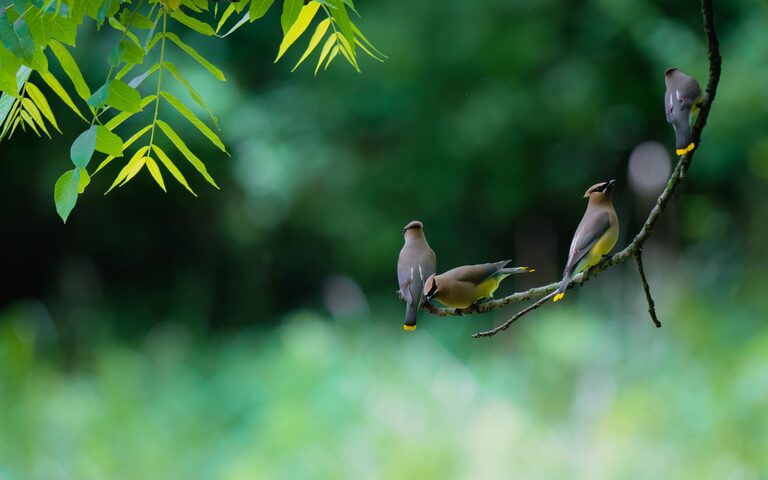
Birdwatching is a rewarding hobby that allows you to connect with nature without leaving your home. Whether you have a small balcony or a spacious garden, you can enjoy the beauty and diversity of birds visiting your backyard. If you’re new to birdwatching, this guide offers simple tips to get you started and create a welcoming environment for local birds.
Why Backyard Birdwatching?
Birdwatching is relaxing and educational. It encourages mindfulness, helps you learn about different bird species, and supports local ecosystems. Watching birds can also be a wonderful activity to share with family and friends.
Starting in your own backyard is practical and enjoyable—you don’t need to travel far or have expensive equipment. With a little effort, you can turn your outdoor space into a birdwatcher’s paradise.
Setting Up Your Backyard for Birdwatching
Choose the Right Spot
Look for a quiet area in your yard that is visible from a window or a comfortable outdoor seating area. Birds are more likely to visit spots that feel safe and have natural shelter like trees or shrubs nearby.
Add Bird Feeders
Bird feeders attract a variety of birds and are one of the easiest ways to get started.
– Types of feeders: Tube feeders, platform feeders, and suet feeders each attract different kinds of birds.
– Seed choices: Black oil sunflower seeds are popular with many birds. Nyjer seed attracts finches, and peanuts appeal to woodpeckers and jays.
– Feeder placement: Hang feeders 5 to 10 feet from windows to reduce collisions but close enough for good viewing.
Provide Fresh Water
Birds need water for drinking and bathing. A birdbath or shallow dish filled with fresh water can attract more visitors.
– Change the water regularly to keep it clean.
– Use a birdbath heater in colder months to prevent freezing.
Plant Bird-Friendly Vegetation
Native plants offer natural food sources and shelter.
– Include shrubs, trees, and flowering plants that produce berries or seeds.
– Plants like coneflowers, sunflowers, and dogwoods are great options.
– Avoid pesticides, as they harm birds and their food sources.
Essential Birdwatching Gear for Beginners
You don’t need much to start birdwatching, but these items can enhance your experience.
– Binoculars: A lightweight pair with 8×42 magnification works well for beginners.
– Field Guide or App: Identify birds by their appearance and calls. Apps like Merlin Bird ID are user-friendly and free.
– Notebook or Journal: Record your observations, dates, and species seen to track your progress and learn over time.
– Comfortable Seating: A simple chair positioned near your observation spot helps you stay still and see better.
Tips for Successful Birdwatching
Be Patient and Quiet
Birds are sensitive to noise and movement. Sit quietly and avoid sudden gestures. The more still you are, the more likely birds will come close.
Observe at the Right Times
Early morning and late afternoon are ideal times to watch birds when they are most active.
Learn Bird Behavior
Watching how birds feed, fly, and interact helps you identify species and understand their habits.
Respect Wildlife
Never try to capture or handle birds. Enjoy observing them from a distance and avoid disturbing their nests.
Identifying Common Backyard Birds
Start by learning the local species you’re likely to see:
– American Robin: Known for orange belly and melodic song.
– Northern Cardinal: Bright red males and brownish females.
– Blue Jay: Blue feathers with white and black patterns.
– House Finch: Males have red on their heads and chests.
– Mourning Dove: Soft gray color with a gentle cooing sound.
Using a field guide or a smartphone app can make identification easier and more fun.
Keeping Your Backyard Bird-Friendly Year-Round
– In winter, provide suet and keep feeders stocked as natural food sources shrink.
– Plant seasonal flowers and shrubs to offer food in different seasons.
– Maintain clean feeders and birdbaths to prevent disease.
Enjoying and Sharing Your Birdwatching Experience
Birdwatching can be a source of joy and relaxation. Consider sharing your sightings with local birdwatching groups or online communities. Joining citizen science projects can also contribute valuable data for bird conservation.
Remember, every backyard can be a special place to observe and appreciate the fascinating world of birds. With these beginner tips, you’re ready to start your birdwatching journey right at home. Happy birding!